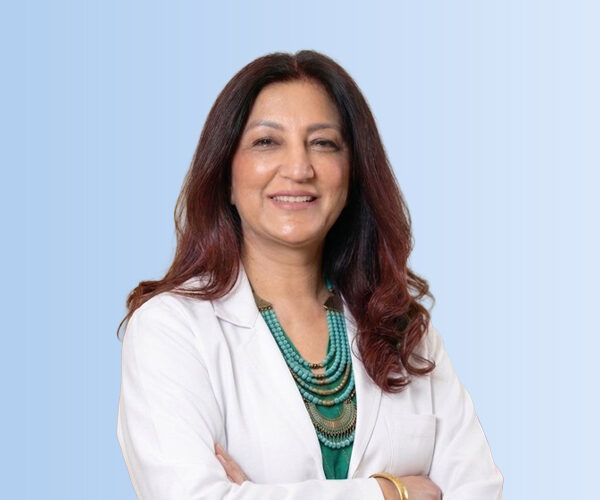
The Rise of Preventive Skincare: A Conversation with Dr. Geetika Mittal

As aesthetic medicine continues to evolve, the conversation is shifting from correcting visible concerns to preserving long-term skin health. We spoke with Dr. Geetika Mittal about why preventive skincare is becoming the cornerstone of modern aesthetic practice and how treatments like Hydrafacial fit into this approach.
As skincare evolves, the focus is shifting from correcting concerns to preventing them before they become visible.
Dr Geetika Mittal
Q. We often hear the term “preventive skincare.” What does it actually mean?
Dr. Geetika Mittal: Preventive skincare is about preserving the health and quality of your skin before visible concerns become significant. Rather than waiting for wrinkles, pigmentation, or uneven texture to develop, the idea is to support the skin through consistent skincare, sun protection, and professional maintenance treatments.
Today, advances in aesthetic medicine, including technologies like Hydrafacial, allow us to support skin health through regular maintenance rather than waiting for concerns to become more difficult to address.


Q. Why has preventive skincare become such an important part of aesthetic medicine today?
Dr. Geetika Mittal: The focus has shifted from correction to maintenance. Patients today are increasingly focused on skin quality rather than simply treating isolated concerns. They want healthy, resilient skin that ages gracefully while maintaining a natural appearance.
We also understand much more about how environmental factors, lifestyle, and the natural ageing process affect the skin over time. Regular professional treatments, combined with an effective home-care routine, help maintain skin health and resilience. Treatments such as Hydrafacial, which cleanse, exfoliate, hydrate, and nourish the skin, fit seamlessly into this preventive philosophy.
Q. Does preventive skincare mean starting treatments at a younger age?
Dr. Geetika Mittal: It’s less about age and more about understanding your skin’s individual needs. Someone in their twenties may benefit from treatments that focus on oil control and congestion, while another person may need hydration or antioxidant support.
Preventive skincare should always begin with a professional skin assessment. Understanding your skin allows us to recommend the most appropriate treatment plan, whether that includes Hydrafacial, medical-grade skincare, or other in-clinic procedures.
Q. What role do professional treatments play alongside a good home skincare routine?
Dr. Geetika Mittal: Home skincare forms the foundation, but professional treatments can address aspects of skin health that topical products alone cannot. They provide deeper cleansing, targeted exfoliation, enhanced hydration, and customized care based on your skin’s condition.
For example, Hydrafacial combines cleansing, exfoliation, painless extraction, hydration, and targeted serum infusion in a single treatment. When incorporated regularly, it complements daily skincare and helps maintain healthier-looking skin over time.
Q. Where does Hydrafacial fit into a preventive skincare plan?
Dr. Geetika Mittal: One of Hydrafacial’s greatest strengths is its versatility. The treatment can be customized to suit different skin types and concerns—from dehydration and dullness to congestion and uneven texture—making it an excellent option for ongoing skin maintenance.
Since there’s little to no downtime, many patients find it easy to include as part of their regular skincare routine, helping them maintain healthy skin throughout the year.
Q. Can someone with healthy skin still benefit from Hydrafacial?
Dr. Geetika Mittal: Absolutely. Preventive skincare isn’t only for people with visible skin concerns. Even healthy skin is exposed to pollution, UV radiation, stress, and daily environmental aggressors.
Regular treatments such as Hydrafacial help keep the skin clean, well-hydrated, and refreshed while supporting overall skin health and maintaining the skin barrier. It’s about preserving healthy skin—not simply correcting problems once they appear.
Q. Is there a single treatment that can replace a good skincare routine?
Dr. Geetika Mittal: No, and that’s something I always emphasize to my patients. Healthy skin is built through consistency. Professional treatments like Hydrafacial work best when they’re part of a comprehensive skincare plan that includes appropriate home care, daily sun protection, and healthy lifestyle habits.
Think of professional treatments as complementary to your skincare routine—not a substitute for it.
Q. What advice would you give someone who wants to invest in their skin for the long term?
Dr. Geetika Mittal: Start with understanding your skin rather than following trends. A professional consultation and skin assessment can identify your skin’s unique needs and help create a personalized treatment plan.
From there, we can recommend the right combination of medical-grade skincare, lifestyle modifications, and professional treatments such as Hydrafacial, depending on your goals. Prevention is always easier—and often more rewarding—than correction.
Q. What’s one message you’d like readers to take away?
Dr. Geetika Mittal: Healthy skin isn’t created overnight—it’s built over time. Consistency will always deliver better results than occasional intervention.
Whether it’s wearing sunscreen every day, following a suitable skincare routine, or scheduling regular maintenance treatments such as Hydrafacial, investing in your skin early helps preserve its health, resilience, and radiance for years to come.
The future of aesthetic medicine isn’t about chasing perfection—it’s about maintaining healthy skin at every stage of life.
About Dr. Geetika Mittal
Dr. Geetika Mittal is a dermatologist and aesthetic physician with a special interest in evidence-based skincare and preventive aesthetic medicine. She advocates a personalized approach that prioritizes long-term skin health, patient education, and treatment plans tailored to each individual’s unique skin needs.
Related Blogs
- 1 August 2026
Hydrafacial for Uneven Skin Tone &.
Uneven skin tone and pigmentation are among the most common concerns seen in aesthetic practice. From sun exposure and acne.
Read More
- 5 August 2026
The Science Behind Healthy Skin |.
Healthy skin isn't just about appearance—it's a reflection of how well your skin functions. From acting as a protective barrier.
Read More